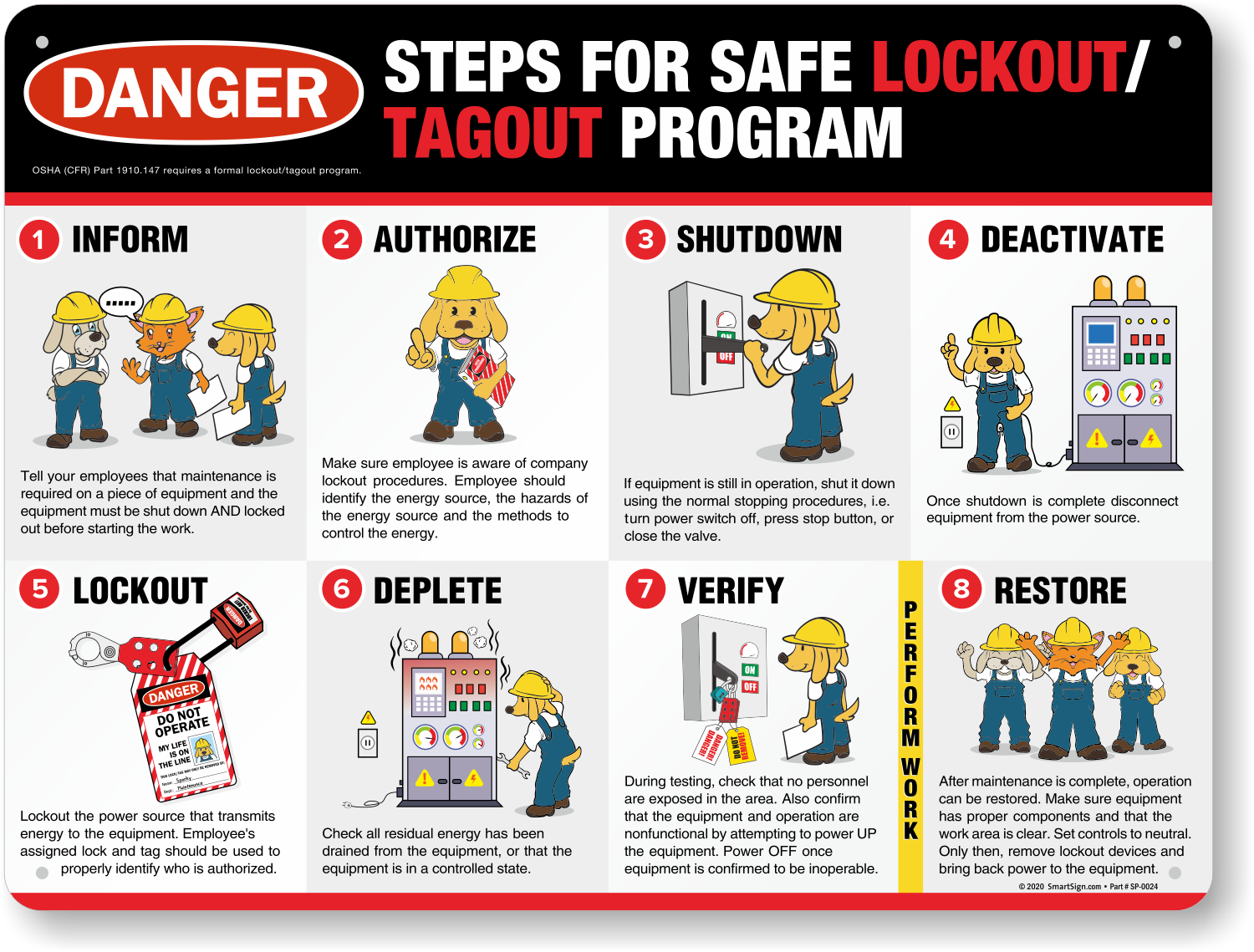
Lockout tagout (LOTO) is one of the most effective safeguards against unexpected equipment startup and hazardous energy release. But despite its universal importance, there are specific, narrowly defined instances when lockout tagout is not used—either by exemption, practical necessity, or regulatory allowance.
These exceptions aren’t loopholes. They are tightly governed scenarios where alternative protections exist or where LOTO would be impractical without compromising safety. Misunderstanding these can lead to either unnecessary workflow disruption or, worse, life-threatening shortcuts.
This article breaks down when lockout tagout is not used, the logic behind each exception, and how to stay compliant while protecting workers.
Routine Production Operations: The Most Common Exception
One of the most misunderstood exemptions is during routine production operations. OSHA recognizes that requiring full LOTO for every minor adjustment or clearing of a machine during normal operation would be impractical—and could lead to non-compliance through frustration.
But this exception only applies under strict conditions:
- The task is routine, repetitive, and integral to production
- The employee remains within the normal operating zone of the machine
- Only minor tooling adjustments or clearing jams are performed
- The machine has alternative protective measures in place (like guards or presence-sensing devices)
Real-World Example
A packaging line operator clears a jammed cardboard flap every few hours. If the machine has a light curtain that stops operation when breached, and the clearing tool allows hands to stay outside the danger zone, full LOTO isn’t required.
But if the guard must be removed, or hands must enter the point of operation, LOTO becomes mandatory—even if the task is routine.
This distinction prevents workers from bypassing safety under the guise of “it’s just a quick fix.”
Hot Tap Operations: When Shutting Down Isn’t an Option
In some industries—especially oil, gas, and utilities—hot tapping (or live line work) is a necessary procedure where systems remain energized. Shutting down could cause greater hazards: pressure buildup, toxic leaks, or system instability.
OSHA 1910.147(a)(2)(ii) explicitly excludes hot tap operations on pressurized pipelines from LOTO requirements—if:
- The work is performed on non-plastic piping
- The process is flame-resistant or non-flammable
- Specialized procedures and PPE are followed
- A documented risk assessment confirms safety
Why This Exception Exists
Imagine shutting down a natural gas transmission line just to install a new sensor. The shutdown itself could create backpressure, condensation, or allow air ingress—potentially leading to explosions during restart.
Instead, trained crews use double block and bleed systems and continuous monitoring to control risk without full isolation.
This exception underscores a critical principle: LOTO isn’t about rigidity—it’s about eliminating uncontrolled energy. When alternative controls are equally effective, they’re permitted.
Corded Plug Equipment: The Simple Disconnect Rule
One of the clearest cases when lockout tagout is not used involves portable cord-and-plug equipment.
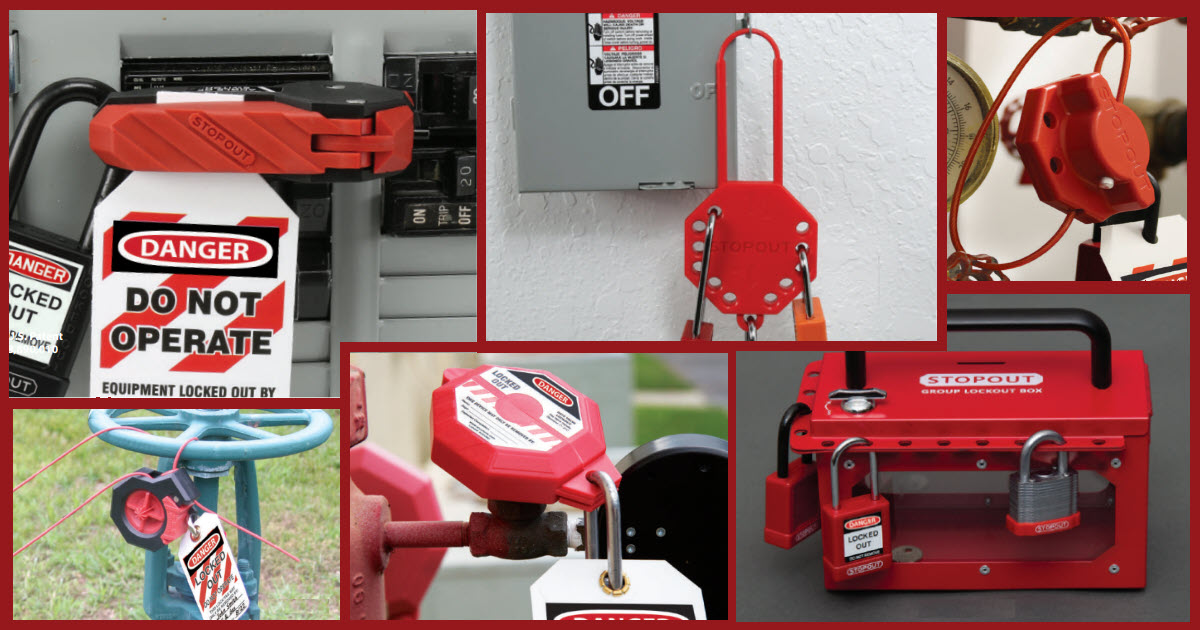
If an electric tool—like a drill, saw, or bench grinder—is powered solely by a cord plugged into a wall outlet, and the employee has exclusive control of the plug, then full LOTO isn’t required.
But there are conditions:
- The plug must be unplugged and within sight/control of the worker
- No other energy sources (hydraulic, pneumatic, gravity) are present
- No other employee can re-energize it
Common Mistake
Workers often unplug a sander, set the cord behind a cabinet, then walk away to get tools. That’s not exclusive control. Someone else could plug it in, creating a hazard.
The solution? Physically hold the plug or use a tag-only system on the outlet—even if formal lockout isn’t required.
Construction, Maintenance, and Repair Work with Alternative Controls
OSHA’s LOTO standard (1910.147) applies primarily to general industry. It does not apply to construction, agriculture, or maritime operations in the same way.
Instead, these sectors follow different standards—like OSHA 1926 for construction—which may use alternative hazard control methods:
- Barricades and signage for high-voltage zones
- System isolation procedures in electrical work (NFPA 70E)
- Permit-to-work systems for confined spaces or welding
Example: Electricians in Commercial Buildings
An electrician working on a live 480V panel isn’t using LOTO—they’re following NFPA 70E arc flash protocols. They use insulated tools, arc-rated PPE, and voltage testing.
This isn’t skipping safety—it’s applying the right standard for the context.
LOTO is for equipment servicing. When the hazard is electrical arc flash during diagnostics, different rules apply.
Equipment with No Stored or Residual Energy
LOTO exists to control hazardous energy—electrical, mechanical, hydraulic, pneumatic, chemical, thermal, or gravitational. If none of these are present or capable of release, LOTO isn’t required.
Practical Cases
- Manual hand tools (wrenches, hammers)
- Off-line equipment with zero energy retention (cooled, depressurized, drained)
- Low-energy devices like small DC fans or battery-powered sensors
But caution is needed. A machine may seem de-energized but still hold residual pressure or spring tension.
Always verify: - Is there stored energy? - Can it be released unexpectedly? - Could gravity cause movement?
If the answer to any is yes, LOTO applies—even if the machine isn't plugged in.
Minor Servicing Exception: Balancing Practicality and Safety
OSHA allows a minor servicing exception when employees perform tasks like lubrication, cleaning, or adjustment—without removing machine guards or exposing themselves to danger zones.
But this only applies if:
- The task is minor, not part of major maintenance
- The work is done during normal production cycles
- Other machine guarding (fixed barriers, interlocks) fully protects the worker
Where This Goes Wrong
A maintenance technician removes a chain guard to oil a conveyor. That’s not minor servicing—it’s maintenance. LOTO is required.
But if the chain is fully enclosed and oil is applied through a zerk fitting, no exposure occurs. No LOTO needed.
This exception depends entirely on exposure risk, not task frequency.
Situations Where LOTO Is Ineffective or Counterproductive
In rare cases, applying LOTO could increase risk.
Emergency Response
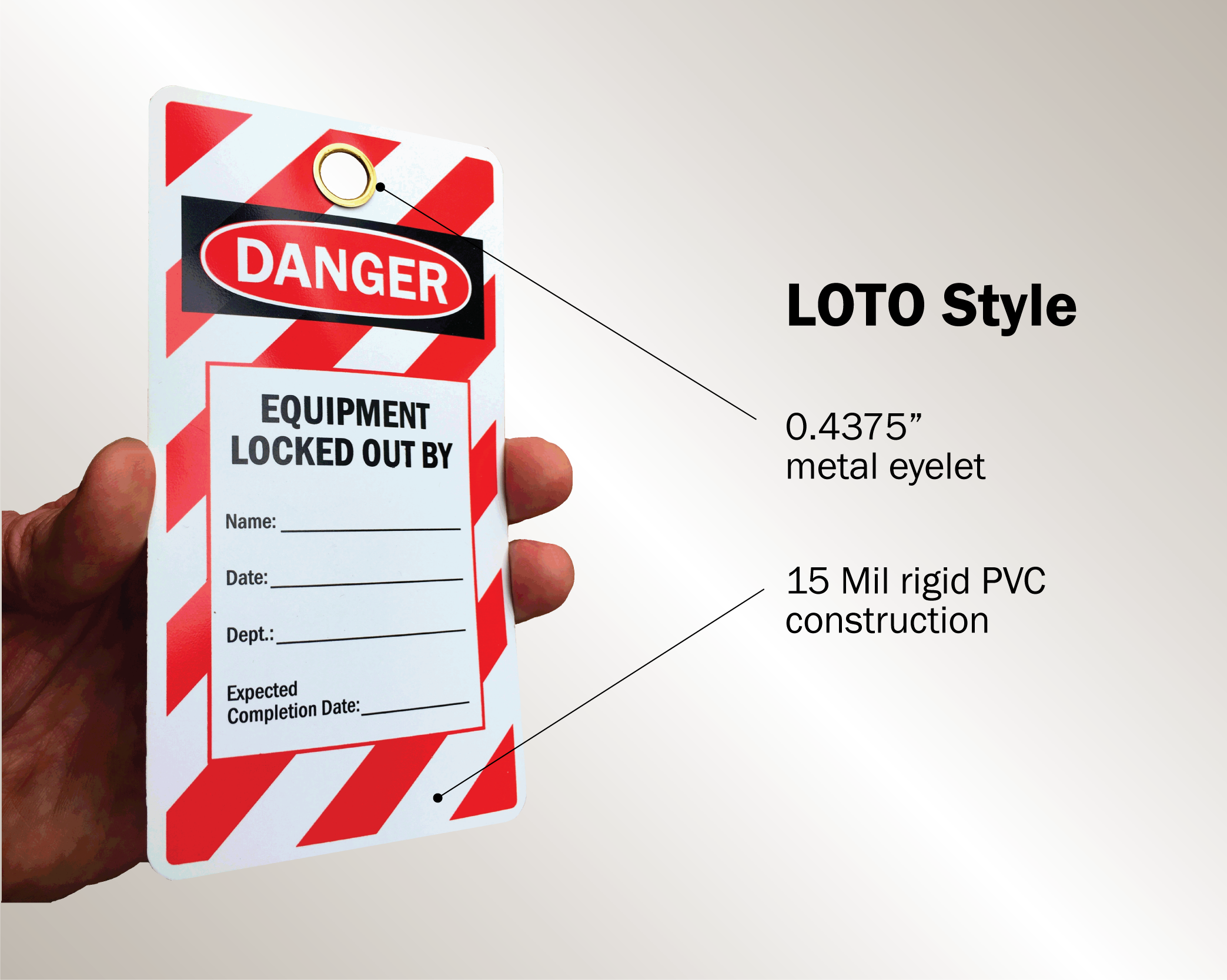
During a fire, gas leak, or medical emergency, stopping to perform LOTO delays evacuation or response.
For example: - A chemical reactor is overheating. Technicians must vent pressure immediately—without full lockout—to prevent rupture. - A worker is trapped in a machine. Rescuers bypass controls to shut it down fast.
In emergencies, life safety overrides procedural compliance. But事后, a review must determine if the response was justified.
Remote or Automated Systems
Some modern factories use centralized control systems where machines are isolated via SCADA or PLC networks. If the system provides verified, tamper-proof isolation—and workers can’t manually override it—some regulators accept this as equivalent to LOTO.
But this requires: - Redundant confirmation of de-energization - Cybersecurity safeguards - No local restart capability
Until these are guaranteed, physical lockout remains mandatory.
Key Takeaways: When It’s Safe to Skip LOTO
LOTO isn’t required in the following verified scenarios:
| Scenario | Key Conditions |
|---|---|
| Routine production tasks | Minor jams, adjustments, with guarding in place |
| Cord-and-plug equipment | Plug unplugged and under exclusive control |
| Hot tap operations | On non-flammable systems with engineering controls |
| Alternative OSHA standards apply | Construction, electrical work under 1926 or NFPA 70E |
| No hazardous energy present | No stored, residual, or potential energy |
| Minor tool changes | With guards intact and no exposure to danger zones |
| Emergency response | Life-threatening situations requiring immediate action |
Skipping LOTO without meeting these conditions isn’t “efficiency”—it’s negligence.
Closing: Know the Rules, Respect the Exceptions
Lockout tagout is a cornerstone of workplace safety—but it’s not a one-size-fits-all mandate. Understanding when lockout tagout is not used is just as important as knowing when it is.
The exceptions exist to balance safety with operational reality. But they demand discipline, training, and verification.
Before assuming a task is exempt: - Consult your energy control program - Verify all energy sources are controlled - Ensure alternative protections are effective - Document the decision
Safety isn’t about checking boxes. It’s about making informed, responsible choices—every time.
What should you do if a supervisor pressures you to skip LOTO? Refuse and report the request through your safety chain. OSHA protects workers from retaliation for raising safety concerns.
Does LOTO apply to battery-powered equipment? Yes, if the battery presents a hazard. Disconnect and secure the battery—even if it’s not plugged in.
Can tagout alone be used without lockout? Only if lockout is not feasible. Tags are warning devices; locks are physical restraints. Locks are preferred.
Is LOTO required for daily cleaning? Only if guards must be removed or danger zones accessed. If cleaning is done with guards in place, it may be exempt.
Who can remove a LOTO device? Only the authorized employee who applied it—unless under an emergency removal procedure.
Do all employees need LOTO training? Yes. Authorized employees get full training. Affected employees must understand the purpose and limitations.
Can multiple workers use one lock? No. Each worker must apply their own lock (group lockout). This ensures individual control and awareness.
FAQ
What should you look for in When Is Lockout Tagout Not Used: Exceptions and Limits? Focus on relevance, practical value, and how well the solution matches real user intent.
Is When Is Lockout Tagout Not Used: Exceptions and Limits suitable for beginners? That depends on the workflow, but a clear step-by-step approach usually makes it easier to start.
How do you compare options around
When Is Lockout Tagout Not Used: Exceptions and Limits? Compare features, trust signals, limitations, pricing, and ease of implementation.
What mistakes should you avoid? Avoid generic choices, weak validation, and decisions based only on marketing claims.
What is the next best step? Shortlist the most relevant options, validate them quickly, and refine from real-world results.